


The bathroom is one of the most important living spaces for unwinding from the day and feeling refreshed. One of the key elements that defines comfort in this space is the shower system.
A well-chosen shower system does more than simply deliver water to the user. It directly influences how the shower area is used, how it looks, and the overall everyday experience.
So, what features should you consider when choosing a shower system for your bathroom?
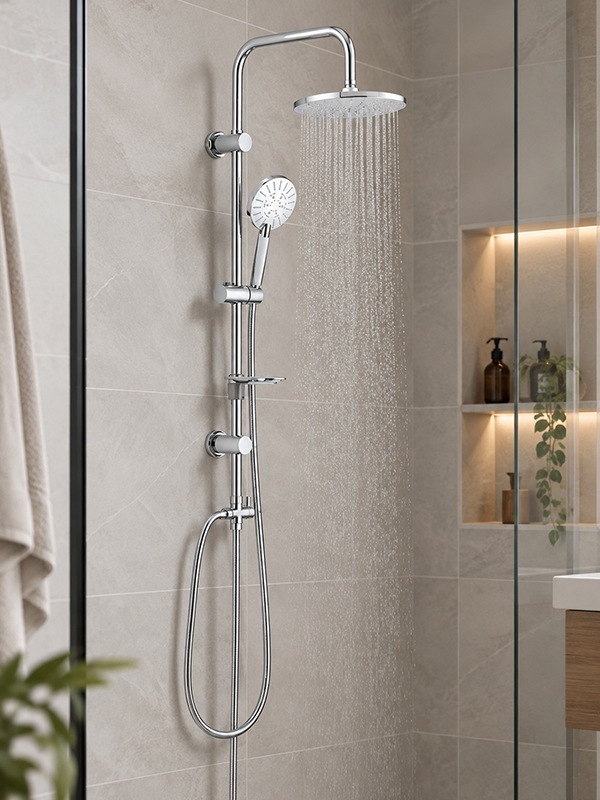
Shower Accessories Series
Shower Accessories Series
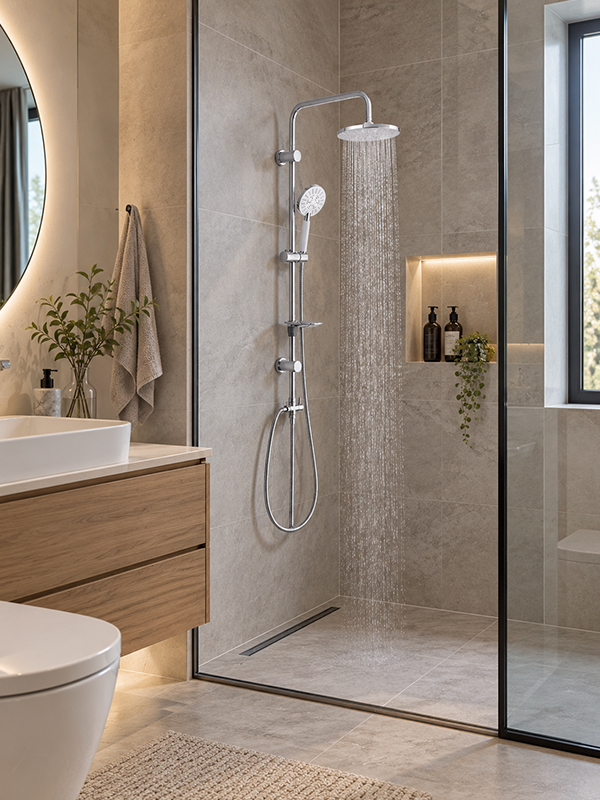
1. Consider the Dimensions of Your Bathroom
The first step in choosing a shower system is to accurately measure the area where it will be installed. The width of the shower enclosure, ceiling height, and the position of the existing water connections can all influence the choice of product.
In smaller shower areas, compact systems with a simple design can be preferred. In larger bathrooms, options that combine a fixed overhead shower with a hand shower can be considered.
When determining the installation point on the wall, the users’ height and available range of movement should also be taken into account. A shower head installed at an unsuitable height can make everyday use less comfortable.
2. Identify Your Usage Habits
Every user has different expectations when it comes to the shower experience. While some prefer a fixed overhead shower, others prioritize the flexibility offered by a hand shower.
For families with children, households with pets, or when cleaning the shower area, a hand shower can provide significant convenience. A fixed overhead shower, on the other hand, may be more suitable for users who prefer water to be distributed over a wider area.
Products that offer multiple options within a single system can meet the expectations of different users. For this reason, when making a selection, the habits and needs of everyone who will use the product at home or in a facility should be considered together.
3. Consider the Water Pressure
The performance of a shower system is closely related to the building’s existing water pressure. Very low or inconsistent water pressure can make it difficult to achieve the expected flow from the shower head.
It is advisable to check the plumbing conditions before purchasing the product. In projects where large-surface overhead showers are preferred, it should be assessed whether the existing system is suitable for the selected product.
If there is any uncertainty about the water pressure, seeking professional advice before installation can help ensure a more suitable product choice.
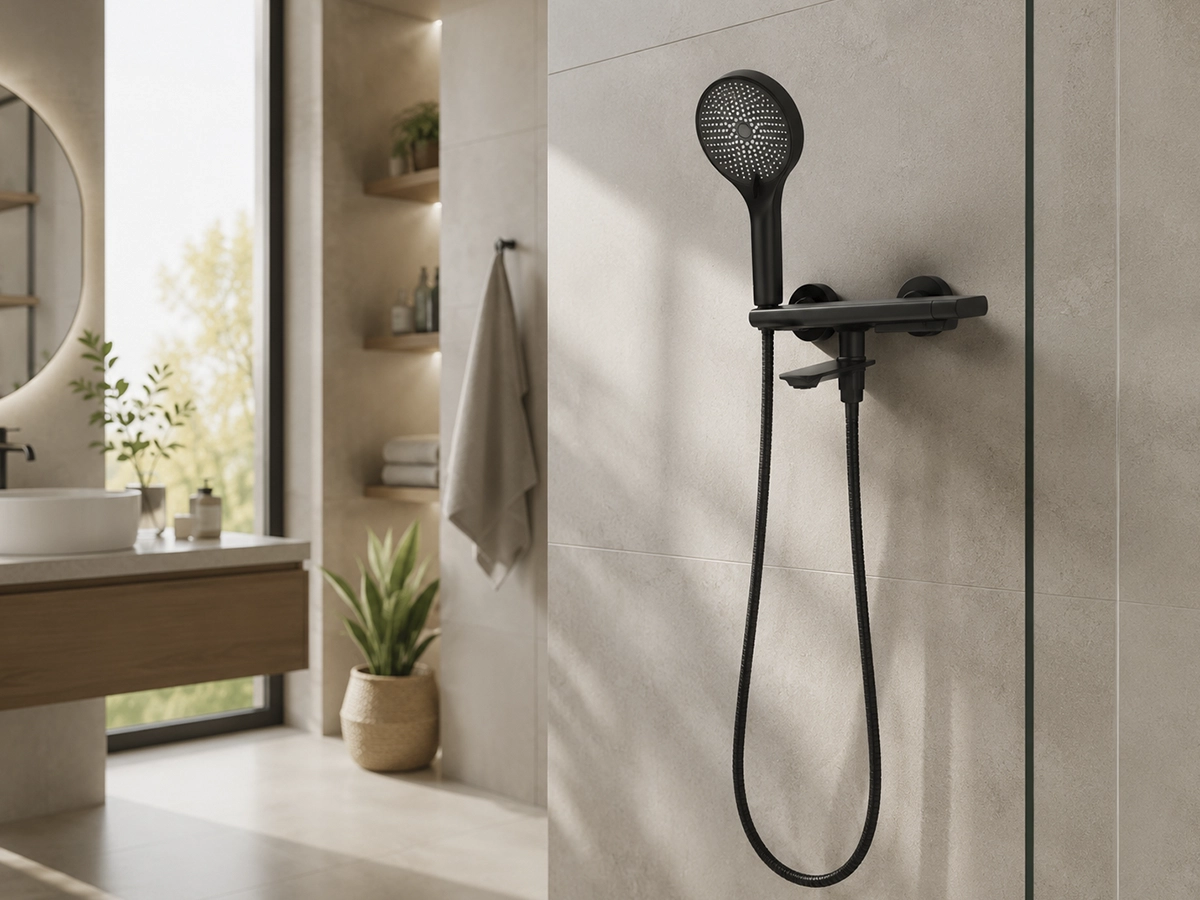
4. Choose the Right Installation Type
Shower systems may vary depending on the type of installation. In exposed systems, most of the product and its connections remain visible. These systems can be a more practical option when replacing or upgrading an existing bathroom setup.
In concealed systems, a significant portion of the plumbing is installed within the wall. Reducing the number of visible components can create a cleaner and more cohesive look in the shower area.
Concealed products should be considered during the planning stage, particularly in new construction and extensive bathroom renovation projects. Changes made after the wall finishes have been completed may require additional work.
5. Maintain Design Consistency
The shower system should create visual harmony with the other fixtures and accessories in the bathroom. When the basin mixer, shower system, towel rails, and other metal details share similar design lines, the space appears more cohesive and thoughtfully planned.
While clean and minimalist forms may be preferred in modern bathrooms, models with softer, more rounded lines can be used in more classic interiors.
When making a selection, attention should be paid not only to how the product looks on its own, but also to how well it integrates with the other elements in the bathroom.
6. Consider Ease of Cleaning and Maintenance
Shower systems are regularly exposed to water and moisture. For this reason, it is important to clean the surfaces using appropriate methods and follow the recommended maintenance guidelines.
Abrasive sponges and harsh chemical cleaners that may damage the surface should not be used during cleaning. Regular cleaning with a soft cloth helps reduce the build-up of water spots on the product surface.
Periodically checking the water outlets on the shower head is also beneficial for maintaining a consistent water flow.
7. Plan the Entire Project as a Whole
The selection of the shower system should not be left until the final stage of bathroom design. A more organized and efficient installation process can be achieved when plumbing points, wall finishes, the shower enclosure, and fixtures are planned together.
If a new bathroom is being designed, the shower system model should be selected before the plumbing work begins. If an existing bathroom is being renovated, the connection dimensions and installation conditions should be checked.
Proper planning helps ensure that the product integrates more harmoniously with the overall bathroom design while also allowing the installation process to proceed more smoothly.